Re-checked this quarter: earplugs and silk pillowcases

How we pick

RestfulPicks
NoiseRe-checked this quarter

Earplugs for sleeping: top lists, reviews and how-tos from owner reports

Foam, putty, wax and reusable earplugs from owner reports, with the makers' ratings and safety warnings.

No brand pays for a place on our lists. How we make money

Dark bedroom at night with a city skyline glowing blue through the window
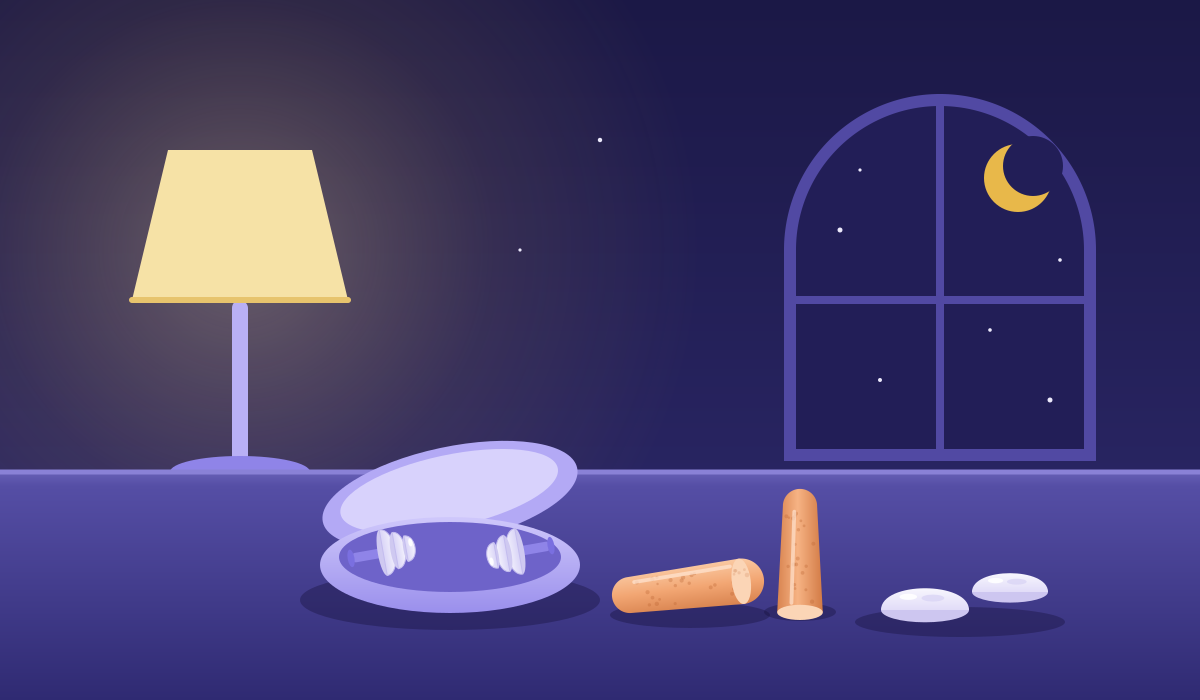
Illustration of foam, flanged and silicone putty earplugs on a nightstand under a lamp
Start here
New this quarter

Top 6 Earplugs for Sleeping, From Foam to Reusable, Picked From Owner Reports

Six picks, ordered by the editor; nothing is lab tested.

  1. 1Loop DreamBest for side sleepers21 dB NRR, per LoopCheck price
  2. 2Howard Leight MAX (now Maximum)Best next to a loud snorer33 dB NRR, per PIP's spec sheetCheck price
  3. 3Mack's Pillow SoftBest if nothing should go in the canal22 dB NRR, per Mack'sCheck price
  4. 4Alpine SleepDeepBest reusable for voices and thin walls27 dB average, Alpine's figure (not a US NRR)Check price
  5. 5OHROPAX ClassicBest wax seal that stays put23 dB NRR, per OHROPAX's US pageCheck price
  6. 6Flents PROTECHS Quiet TimeBest slimmer foam for snoring33 dB NRR, per FlentsCheck price
Earplugs for sleeping, by situation

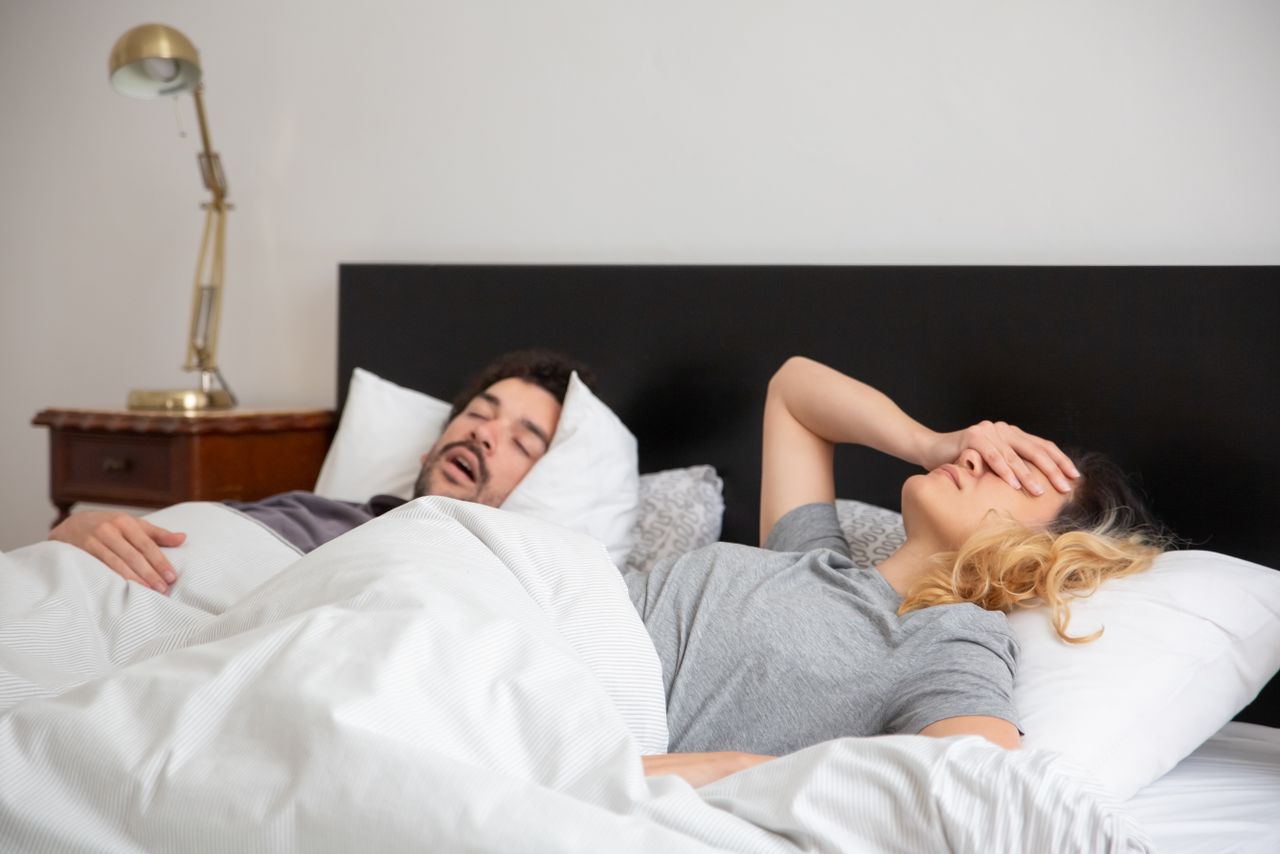
Man snoring on his back while his partner covers her face beside him in bed
A snoring partner, one of four nights.
Side sleepersLow-profile plugs that sit flush on a pillow.Loop Dream · Alpine SleepDeep
Next to a snorerRolled foam with the list's top maker ratings, 33 dB NRR each.Howard Leight MAX · Flents Quiet Time
Travel and hotelsA small kit for planes and thin hotel walls.Sleeping on a plane · OHROPAX wax
Nothing in the canalPutty and wax cover the opening instead of going in.Mack's Pillow Soft · OHROPAX Classic

Earplug reviews, and one alternative

All reviews

Earplug comparisons

All comparisons

Fit, care and safety how-tos

Foam, silicone, wax or reusable: earplug types explained

Types in the top list
FoamThe strongest rated blocking; single-use, rolled in with care.
Silicone puttyCovers the opening; blocks less low-frequency noise.
WaxA seal over the opening that rarely falls out; sticky, single-use.
Reusable in-earA low profile for side sleepers; tips to replace and a fit to learn.

Earplug questions owners ask

Ask us something
What are the best earplugs for sleeping?

It depends on what keeps you up. In our earplugs top list, Loop Dream suits side sleepers, Howard Leight MAX (now sold as Maximum) and Flents PROTECHS Quiet Time share the highest maker rating on the list (33 dB NRR each) for sleeping next to a loud snorer, and Mack's Pillow Soft covers the ear opening instead of going into the canal.

Are earplugs safe for sleeping?

We don't give medical advice. Cleveland Clinic lists frequent earplug use as a risk factor for earwax buildup and advises seeing a provider for pain, fullness, ringing or hearing changes. Sleep Foundation notes muffled sound can make an alarm or a crying child harder to hear, and warns against pushing a plug in too deep or pulling it out fast.

Sources: Cleveland Clinic, Sleep Foundation
Are reusable earplugs good for sleeping every night?

Owners of reusable plugs like the low profile and the lack of waste; the trade-offs are cleaning and new tips. Loop advises new Dream tips about every 100 nights, and Alpine says SleepDeep can be reused about 100 times. Which? advises resting the ears between uses. See the Loop Dream review.

Sources: Loop, Alpine, Which?
How do you put in earplugs for sleeping?

Foam: roll it into a thin cylinder, pull the top of the ear up and back, insert it and hold it while it expands. Putty and wax: cover the opening only; Mack's and OHROPAX both say never push them into the canal. Reusable: try the tip sizes, since each ear can differ.

Sources: maker instructions (Howard Leight, Mack's, OHROPAX, Loop)
What can I use instead of earplugs for sleeping?

Sleep earbuds that play masking sounds, or a white noise machine across the room: see our sleep earbuds and sound machine shelves. Which? advises against using cotton wool or tissue as earplugs.

Source: Which?

How we pick earplugs

Owner reports first, then the maker's noise rating; no lab tests, no medical advice.